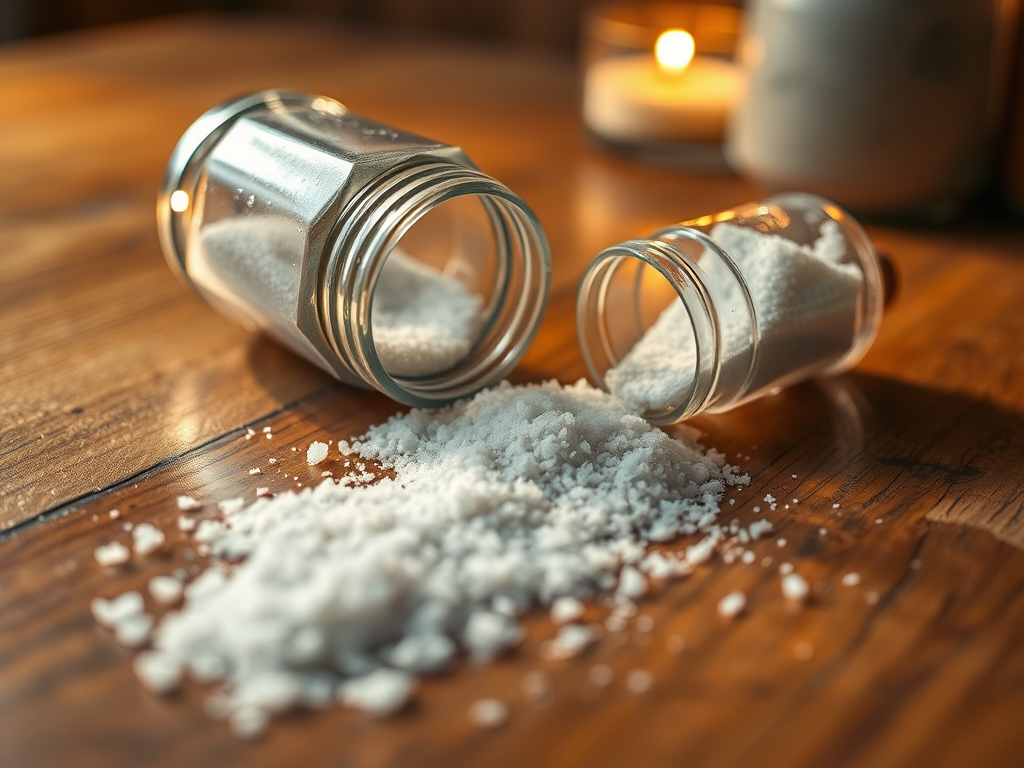
If you’ve spent any time in the gym or bodybuilding circles, you’ve probably heard this advice:
“Add more salt before training — your pump will be insane.”
Some people swear by it.
Others think it’s bro-science.
And some are afraid it’ll just make them bloated or raise blood pressure.
So what’s the truth?
👉 Does sodium actually improve gym performance and muscle pump?
👉 Or is it just another fitness myth?
Let’s break it down in a simple, science-based (but gym-friendly) way.
What Is Sodium and Why Does Your Body Need It?
Sodium is an essential electrolyte.
Your body cannot function properly without it.
It plays a key role in:
- fluid balance
- nerve signaling
- muscle contraction
- blood volume regulation
Without enough sodium, muscles literally can’t contract efficiently.
That alone should already make you suspicious of ultra–low-sodium diets if you train hard.
Sodium’s Role in Muscle Contraction

Every time you lift a weight, your muscles contract through an electrical signal.
That signal depends on:
- sodium
- potassium
- calcium
When sodium enters the muscle cell, it helps trigger the contraction process.
No sodium = weaker signal = weaker contraction.
This is one reason why:
- low sodium can reduce strength
- severe sodium depletion causes cramps
- endurance athletes collapse when electrolytes drop too much
What Is a “Pump” Anyway?
The muscle pump isn’t magic — it’s physiology.
A pump happens when:
- blood flow to the muscle increases
- fluids shift into the muscle cell
- metabolites (like lactate) build up
- veins get compressed and look fuller
Sodium influences every single one of those steps.
How Sodium Can Improve Muscle Pump
1. Better Blood Volume
Sodium helps retain water inside the bloodstream.
More sodium → more plasma volume → better blood flow
Better blood flow → stronger pump
This is why dehydrated athletes look flat and weak.
2. Increased Intracellular Hydration
Sodium helps pull water into muscle cells.
This increases:
- cell volume
- muscle fullness
- mechanical tension inside the muscle
Cell swelling itself can act as a growth signal.
That “tight” pumped feeling?
That’s hydration + blood flow doing their job.
3. Improved Nerve Signal Efficiency
Higher sodium availability improves nerve transmission to muscle fibers.
That can lead to:
- stronger contractions
- better mind–muscle connection
- more effective reps
Especially noticeable during high-volume training.
Sodium and Performance: Strength, Endurance, and Output

Sodium isn’t just about looking pumped — it can affect actual performance.
Strength Training
Adequate sodium levels can help:
- maintain force output
- reduce early fatigue
- improve rep quality
Low sodium often shows up as:
- sudden weakness
- shaky reps
- loss of drive mid-set
High-Volume Training
If you sweat a lot and train long sessions:
- sodium loss increases quickly
- performance drops faster
- pumps disappear
Replacing sodium can help maintain intensity deeper into the workout.
Conditioning and Cardio
For longer or intense cardio sessions:
- sodium prevents excessive fluid loss
- helps avoid cramps
- supports endurance output
This is why endurance athletes actively manage electrolytes.
Why Many Lifters Are Accidentally Low in Sodium

Ironically, many gym-goers underconsume sodium without realizing it.
Common reasons:
- “clean eating” diets
- fear of salt and blood pressure
- high sweat rates
- lots of water intake with no electrolytes
You can drink tons of water and still be functionally dehydrated if sodium is too low.
Sodium vs Bloat: What’s the Difference?
This is where most people get confused.
Good Sodium Use
- sodium + water inside muscle cells
- fuller, harder look
- better performance
Bad Sodium Use
- sodium + ultra-processed food
- excess calories
- poor potassium balance
- poor hydration habits
Bloating usually comes from:
- inconsistent sodium intake
- massive spikes after restriction
- low potassium
- digestive issues
Not from reasonable sodium use around training.
Sodium Before Training: Does Timing Matter?
Yes — timing can influence how it feels.
Pre-Workout Sodium
Can improve:
- pump
- vascularity
- endurance
- mind–muscle connection
Especially useful if:
- you train fasted
- you sweat a lot
- your diet is low in sodium
Intra-Workout Sodium
Useful during:
- long sessions
- high-volume days
- intense leg workouts
- hot environments
Often combined with carbs and fluids.
Post-Workout Sodium
Helps with:
- rehydration
- recovery
- restoring electrolyte balance
Underrated for people who sweat heavily.
How Much Sodium Is Enough?
There’s no single number for everyone.
It depends on:
- body weight
- sweat rate
- climate
- training volume
- carb intake
That said, many active lifters perform better above minimum recommendations.
The key is consistency — not random spikes.
Sodium and Blood Pressure: Should You Be Worried?
This is important to address.
For healthy, active individuals:
- moderate sodium intake is rarely an issue
- training increases sodium needs
- sweating changes the equation completely
Problems usually arise when:
- sodium intake is extremely high
- potassium intake is very low
- physical activity is minimal
- body fat is high
If you train hard, lift weights, and sweat regularly, sodium behaves very differently in your body.
Sodium vs Other “Pump Supplements”
Salt isn’t magic — but it supports the system.
Compared to:
- citrulline
- arginine
- nitrates
Sodium:
- doesn’t increase nitric oxide
- but improves fluid dynamics
- supports contraction quality
Best results often come from combining strategies, not relying on one trick.
Signs You Might Benefit From More Sodium
You might consider increasing sodium if you notice:
- flat muscles despite carbs
- frequent cramps
- dizziness during training
- poor pump
- excessive sweating
- headaches after workouts
These are often electrolyte-related, not just hydration issues.
Common Mistakes With Sodium Use
❌ Random massive salt doses
❌ Zero sodium all day, then overload
❌ Ignoring potassium and hydration
❌ Copying bodybuilders without context
Sodium works best when intake is steady and intentional, not chaotic.
Final Verdict: Does Sodium Improve Gym Performance?
Yes — when used properly.
Sodium can:
- improve muscle pump
- support strength and endurance
- enhance hydration
- reduce fatigue during training
But it’s not a miracle drug.
It works best as part of:
- proper hydration
- balanced nutrition
- consistent training
If you train hard and sweat a lot, sodium isn’t the enemy — it’s often the missing piece.
How Much Sodium Should You Consume for Training?

This is the most important question — and also the one most people mess up.
There is no single perfect sodium intake, because sodium needs depend heavily on:
- body weight
- sweat rate
- training intensity
- climate
- overall diet (especially carbs)
That said, we can work with practical, gym-friendly ranges.
General Sodium Intake (Baseline)
For sedentary people, health organizations often suggest around 1,500–2,300 mg of sodium per day.
But here’s the key point:
👉 If you train hard and sweat, you are NOT sedentary.
Strength training, bodybuilding, and cardio significantly increase sodium needs.
Sodium Intake for Lifters and Gym-Goers
For most active people who lift weights regularly:
✅ Daily Sodium Range (Most Lifters)
2,500 to 4,000 mg of sodium per day
This includes:
- food
- added salt
- sauces
- pre-workouts
- electrolyte drinks
People who train intensely, sweat a lot, or live in hot climates often feel better closer to the upper end of that range.
Sodium Around Training (Performance-Focused)
If your goal is better pump, performance, and endurance, sodium timing matters.
A common and effective approach:
- Pre-workout: 500–1,000 mg sodium
- Intra-workout (optional): 300–800 mg (for long or sweaty sessions)
- Rest of the day: balance to hit your total intake
This is especially useful if:
- you train fasted
- you sweat heavily
- your diet is low in processed foods
How Much Salt Is That in Real Life?

This is where people get confused, so let’s make it simple.
Sodium vs Salt (Important Difference)
- Sodium is the mineral
- Salt (table salt) is sodium chloride
👉 Table salt is ~40% sodium
That means:
- 1 gram of sodium ≈ 2.5 grams of salt
Practical Conversions (Refined Table Salt)
| Sodium | Approx. Salt |
|---|---|
| 500 mg sodium | ~1.25 g salt |
| 1,000 mg sodium | ~2.5 g salt |
| 2,000 mg sodium | ~5 g salt |
| 3,000 mg sodium | ~7.5 g salt |
| 4,000 mg sodium | ~10 g salt |
What Does That Look Like?
- 1 teaspoon of table salt ≈ 2,300 mg sodium
- That’s already close to the entire daily intake for many people
So when someone says:
“I just add a pinch of salt”
That pinch can already be 200–400 mg of sodium, depending on size.
Should You Use Refined Salt or Other Types?
From a performance standpoint:
- Sodium content is what matters
- The body does not care if it’s pink, white, or fancy
Refined salt:
- is cheap
- works perfectly
- dissolves easily
- is predictable
Other salts (sea salt, Himalayan):
- are fine too
- but don’t magically improve performance
- trace minerals are negligible for training
Potassium Matters Too (Quick Note)
High sodium works best when:
- potassium intake is adequate
- hydration is consistent
Good potassium sources:
- bananas
- potatoes
- oranges
- spinach
- beans
You don’t need extreme ratios — just don’t ignore potassium completely.
Signs You’re Using the Right Amount
You’re probably in a good sodium range if:
- pumps feel fuller and last longer
- strength is stable throughout the session
- fewer cramps
- less dizziness
- better endurance on high-volume days
If you feel:
- bloated
- overly thirsty
- or sluggish
You may need to:
- spread sodium intake more evenly
- increase water
- avoid large, sudden spikes
Final Takeaway on Sodium Intake
Sodium is not something to fear — it’s something to manage intelligently.
For most lifters:
- 2,500–4,000 mg sodium/day works well
- 500–1,000 mg around training can improve pump and performance
- consistency matters more than extremes
Used correctly, sodium supports training instead of sabotaging it.
Leave a Reply