You’ve probably heard this claim before:
“As long as you hit your macros, you can eat whatever you want and still build muscle.”
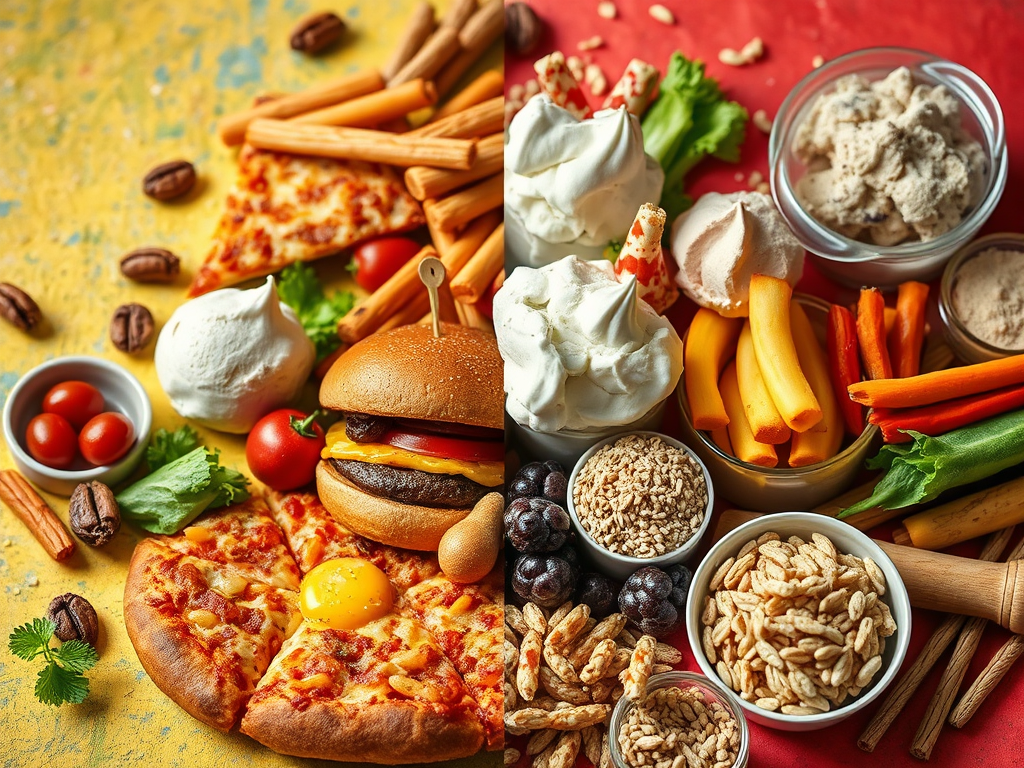
Pizza. Burgers. Ice cream. Cookies.
Sounds too good to be true, right?
This idea is usually summed up in one acronym: IIFYM — If It Fits Your Macros.
But here’s the real question:
👉 Can you actually build muscle while eating junk food?
👉 Or is IIFYM just an excuse to eat like trash and feel better about it?
Let’s break this down honestly — without dogma, without extremes, and without Instagram myths.
What Is IIFYM (If It Fits Your Macros)?
IIFYM is a flexible dieting approach that focuses on macronutrients, not food quality.
The idea is simple:
- If you hit your daily protein, carbs, and fats
- and stay within your calorie target
- you’ll get results, regardless of food source
In theory, 200g of carbs from rice and 200g of carbs from candy are treated the same.
And metabolically… they are similar — but not identical in real-world outcomes.
The Core Truth: Muscle Growth Is Driven by Macros and Calories

Let’s get one thing straight:
👉 Muscle growth depends primarily on:
- total calories (being in a surplus)
- protein intake
- progressive training stimulus
- recovery
If those boxes are checked, muscle can be built.
That means:
✅ Yes — you can build muscle while eating some junk food
❌ No — it’s not optimal to build muscle eating mostly junk food
Both statements are true.
Protein: The Non-Negotiable Macro

Protein is the foundation of muscle growth.
No amount of junk food can compensate for:
- low protein intake
- poor protein distribution across the day
Most junk foods:
- are low in protein
- have poor amino acid profiles
- are calorie-dense but nutrient-poor
That means you’ll usually need to build your diet around protein first, then fit other foods in.
Calories Matter — But How You Reach Them Matters Too
To build muscle, you need a calorie surplus.
Junk food makes that easy:
- highly palatable
- energy-dense
- easy to overeat
That’s why many hardgainers accidentally gain muscle eating “bad” foods — they finally eat enough.
But there’s a trade-off.
The Downsides of Building Muscle on Junk Food

Here’s where IIFYM often gets misunderstood.
1. Micronutrient Deficiency
Junk food lacks:
- vitamins
- minerals
- fiber
- antioxidants
Over time, this can affect:
- recovery
- immune function
- energy levels
- hormone balance
You might build muscle… but feel like garbage doing it.
2. Poor Digestion and Gut Health
Highly processed foods often:
- cause bloating
- disrupt digestion
- reduce nutrient absorption
A poor gut = worse recovery and inconsistent training performance.
3. Body Composition Issues
Even if calories and protein are matched:
- junk-heavy diets often lead to more fat gain
- blood sugar swings
- worse appetite control
You may gain muscle — but also gain more fat than necessary.
4. Training Performance Can Suffer
Muscle growth depends on training quality.
Diets low in:
- complex carbs
- electrolytes
- micronutrients
can lead to:
- weaker pumps
- faster fatigue
- poor endurance
- inconsistent strength
When IIFYM Actually Works Well

IIFYM isn’t useless — it’s just often abused.
It works best when:
- 80–90% of your diet is whole, nutrient-dense foods
- 10–20% comes from flexible/junk choices
- protein intake is consistently high
- calories are controlled
Used this way, IIFYM:
- improves adherence
- reduces binge cycles
- makes dieting sustainable
- reduces food anxiety
That’s its real strength.
The “Calories Are Calories” Debate (Simplified)
From a physics standpoint:
- calories measure energy
- macros determine how that energy is used
But in humans:
- food quality affects hormones
- digestion
- satiety
- inflammation
- recovery
So while calories matter most for weight change, food quality determines how well your body uses those calories.
Can You Eat Junk Food and Still Build Muscle? (Short Answer)
👉 Yes, technically.
👉 But it’s not ideal — and not optimal long-term.
You can build muscle with:
- some junk food
- flexible eating
- imperfect meals
You’ll struggle to build muscle optimally with:
- mostly junk food
- low micronutrient intake
- poor digestion
- inconsistent energy
A Smarter Way to Use IIFYM for Muscle Growth
Think of IIFYM as a tool, not a free pass.
A Practical Rule of Thumb
- 80–90% whole foods
- 10–20% flexible foods
- protein prioritized
- carbs timed around training
- fats balanced, not excessive
This approach:
- supports muscle growth
- improves performance
- keeps you sane socially
- reduces binge behavior
Examples: Smart vs Dumb IIFYM
Dumb IIFYM
- protein shake + pop-tarts
- fast food every meal
- zero vegetables
- “it fits my macros bro”
Results:
- muscle gain + excess fat
- poor digestion
- inconsistent training
Smart IIFYM
- lean protein every meal
- carbs mostly from whole sources
- veggies and fruits daily
- dessert or junk food intentionally included
Results:
- steady muscle growth
- better recovery
- better long-term adherence
Why Beginners Get Confused by IIFYM
Beginners often:
- underestimate protein needs
- overestimate calorie needs
- chase flexibility instead of structure
IIFYM works best after you understand basic nutrition, not before.
Final Verdict: Should You Use IIFYM to Build Muscle?
IIFYM can work — if you use it intelligently.
It’s not:
- an excuse to eat trash
- a shortcut
- a replacement for good habits
It is:
- a way to reduce rigidity
- a strategy for long-term adherence
- a tool for sustainability
Build your diet around:
- protein
- training performance
- recovery
Then use flexibility to make it livable.
Leave a Reply